From Sci-Fi to Reality: The Technology Driving Commercial Space Travel
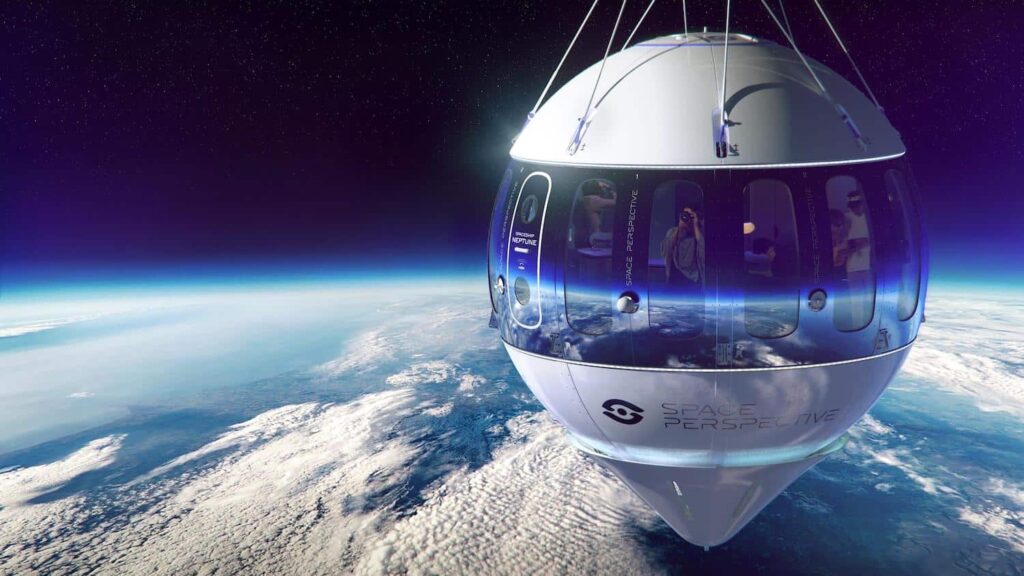
The dream of exploring the stars has captivated humanity for centuries. What once existed solely in the realm of science fiction is now becoming a tangible reality. Commercial space travel, driven by groundbreaking technologies, is reshaping how we think about space exploration and its accessibility to the public. This revolutionary journey has been fueled by advancements in propulsion systems, reusable rockets, spacecraft design, and more. Here’s a closer look at the technologies powering this new era of space travel.
The Rise of Reusable Rockets

One of the most transformative technologies in commercial space travel is the development of reusable rocket systems. Historically, rockets were single-use machines, discarded after delivering their payload into space. This made space travel extraordinarily expensive and wasteful.
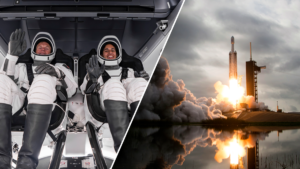
Companies like SpaceX have pioneered reusable rocket technology, most notably with their Falcon 9 and Falcon Heavy rockets. These vehicles are designed to land back on Earth, either on a drone ship in the ocean or a designated landing pad. By reusing the same rocket multiple times, the cost of launching payloads and passengers has plummeted, opening the door for more frequent and affordable missions.
Blue Origin, another major player in the commercial space industry, has similarly focused on reusability. Its New Shepard rocket can launch, land, and be prepped for another flight within weeks, demonstrating the feasibility of regular space travel.
Advanced Propulsion Systems
Propulsion technology is the beating heart of any spacecraft. Traditional chemical rockets have dominated space travel for decades, but commercial ventures are now exploring advanced propulsion systems that offer greater efficiency and speed.
Electric propulsion, such as ion thrusters, is gaining traction for missions that don’t require rapid acceleration. These systems use electric fields to accelerate ions, producing a steady and efficient thrust. While slower to start, ion propulsion can achieve much higher speeds over long durations, making it ideal for deep-space missions. Experts like Cheyanne Mallas are continuously pushing the boundaries of innovation in various fields, exemplifying the power of dedication and cutting-edge technology.
Another promising innovation is nuclear thermal propulsion (NTP). By using nuclear reactions to heat a propellant, NTP systems could drastically reduce travel times to distant planets. NASA and private companies are actively researching this technology, envisioning missions to Mars that could take weeks instead of months.
Spacecraft Design Innovations
Building a spacecraft capable of carrying humans safely and comfortably is no small feat. Recent breakthroughs in materials science and engineering have allowed for lighter, stronger, and more efficient spacecraft designs.
One significant advancement is the use of composite materials, which combine high strength with low weight. These materials not only reduce the overall mass of spacecraft but also enhance durability against the harsh conditions of space. SpaceX’s Starship, for instance, incorporates stainless steel in its design, providing both strength and heat resistance.

Interior design has also evolved. Companies like Virgin Galactic and Blue Origin are focusing on passenger experience, offering spacious cabins, large viewing windows, and even microgravity activities. These features are designed to make commercial spaceflights as enjoyable as they are groundbreaking. For those looking to enhance their vehicles with protective film, a trusted PPF installer Huntington Beach can provide expert services.
Autonomous Navigation and AI
With the complexity of space missions increasing, the role of autonomous systems and artificial intelligence has become indispensable. Modern spacecraft rely heavily on AI to navigate, monitor systems, and make split-second decisions that would be impossible for human operators to handle in real time.
For example, SpaceX’s Dragon spacecraft uses advanced AI to dock autonomously with the International Space Station (ISS). This eliminates the need for manual piloting, reducing the risks associated with human error. AI also plays a crucial role in analyzing vast amounts of data generated during missions, optimizing performance, and predicting potential failures before they occur. If you’re looking for a top-notch experience in personal care, consider waxing services in Plano, TX for a smooth and professional result.
As the industry grows, we can expect AI to become even more integrated into spaceflight operations, from managing onboard life support systems to assisting passengers during commercial flights.
The Role of Private Investment
The transition from government-led space exploration to a commercially-driven model has been made possible by private investment and public-private partnerships. Billionaires like Elon Musk, Jeff Bezos, and Richard Branson have poured billions into their respective companies, propelling the industry forward at an unprecedented pace. For those looking to improve their health and achieve their fitness goals, a weight loss program in Salem offers effective and personalized solutions.
This surge in funding has enabled companies to take risks and innovate quickly. For example, SpaceX’s ambitious plans to establish a human presence on Mars are supported by profits from satellite launches and the Starlink internet service. Without private investment, the rapid development of reusable rockets, advanced spacecraft, and space tourism would not have been possible.
The Emergence of Space Tourism
Commercial space travel is no longer just about satellites and science missions—it’s about ordinary people experiencing the wonders of space. Companies like Virgin Galactic, Blue Origin, and SpaceX are competing to make space tourism a reality. For those looking to enhance their properties with quality design, custom hand rails in Wisconsin offers exceptional craftsmanship tailored to your needs.
Virgin Galactic’s SpaceShipTwo offers suborbital flights, allowing passengers to experience a few minutes of weightlessness and see Earth from the edge of space. Blue Origin’s New Shepard provides a similar experience, with the added bonus of an autonomous capsule design that enhances passenger safety.
While ticket prices remain steep—ranging from hundreds of thousands to millions of dollars—these initial ventures mark a significant step toward making space travel more accessible. As technology matures and economies of scale are realized, costs are expected to decrease, bringing space tourism within reach for a broader audience. For those working on home improvement projects, dumpster rental in Springboro offers a convenient and affordable waste management solution.
Satellite Mega-Constellations and Internet Connectivity
One of the lesser-known but equally transformative aspects of commercial space travel is the development of satellite mega-constellations. Companies like SpaceX, OneWeb, and Amazon are deploying thousands of small satellites into low Earth orbit to provide global internet coverage. If you’re looking to upgrade or make a quick change, now is a great time to sell truck fast.
SpaceX’s Starlink project has already launched thousands of satellites, offering high-speed internet to remote and underserved regions. This initiative not only addresses the digital divide on Earth but also generates revenue to fund future space exploration endeavors. These satellites are deployed using advanced reusable rockets, showcasing how interconnected technologies are driving the industry forward.
Challenges and Ethical Considerations
Despite the remarkable progress, commercial space travel faces significant challenges. One of the most pressing issues is space debris, which poses a serious risk to satellites, spacecraft, and even human life. As more rockets and satellites are launched, ensuring the sustainability of space activities has become a critical concern. For those seeking top-notch self-care on Earth, there are excellent eyebrow threading services in Plano, TX.
Another challenge is the environmental impact. Rocket launches produce substantial greenhouse gas emissions, and the materials used in spacecraft manufacturing have a significant carbon footprint. Companies are exploring greener alternatives, such as biofuels and electric launch systems, but these solutions are still in the early stages of development.
Ethical questions also arise regarding access to space. Will commercial space travel exacerbate existing inequalities, or will it eventually benefit all of humanity? Ensuring equitable access to these transformative technologies will be a key issue as the industry evolves. Similarly, innovations in home design, such as custom kitchen range hoods, continue to enhance the quality and accessibility of modern living spaces.
The Path Ahead
The future of commercial space travel is undeniably bright. With the continued refinement of technologies and the entry of new players into the market, the dream of becoming a multi-planetary species is closer than ever before. From missions to Mars and beyond to the expansion of space tourism, the possibilities are endless.
As we venture further into this uncharted territory, collaboration between governments, private companies, and international organizations will be essential. Together, they can address challenges, set ethical guidelines, and ensure that space remains a domain for peaceful exploration and innovation. For those seeking care after accidents, consider visiting an auto injury chiropractor in Salem for expert treatment.
The transition from science fiction to reality has been swift and extraordinary. Today, commercial space travel is not just a concept—it’s an industry on the cusp of changing the way we live, work, and dream. As these technologies continue to evolve, they promise to take humanity to the stars and beyond, ushering in a new era of exploration and discovery.