Living in Space: How Spaceships Support Human Life for Long Missions
Introduction
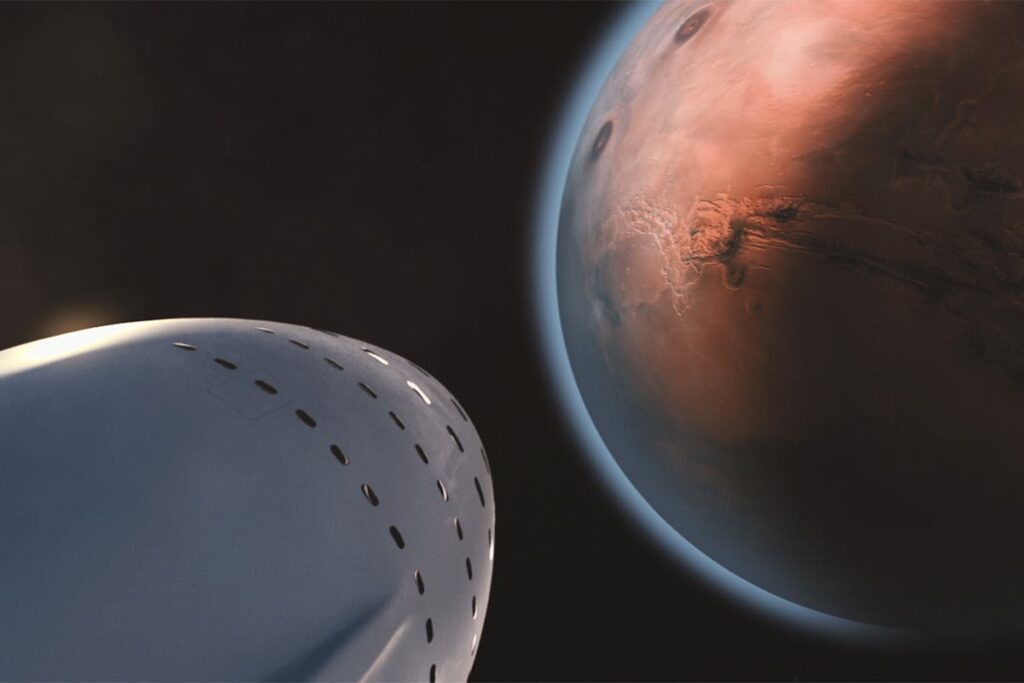
As humanity ventures beyond Earth’s atmosphere, the challenge of sustaining human life in space for extended periods becomes a critical aspect of space exploration. Unlike our planet, space is an inhospitable environment lacking air, water, and gravity, which are essential for human survival. Long-duration space missions require carefully designed spaceships equipped with life support systems, advanced technology, and sustainable resource management. This article delves into the various ways in which spaceships support human life, enabling astronauts to survive and work in the vastness of space.
Life Support Systems
One of the most fundamental aspects of space travel is the life support system. These systems are responsible for providing astronauts with breathable air, clean water, and a suitable atmospheric environment. The primary components of life support systems include oxygen generation and carbon dioxide removal, water recovery and recycling, and temperature and humidity control.
Astronauts require oxygen to breathe, and in a closed spacecraft, this must be continuously replenished. The Oxygen Generation System (OGS) aboard the International Space Station (ISS) produces oxygen by electrolyzing water, a process that splits water molecules into hydrogen and oxygen. The oxygen is released into the cabin, while the hydrogen is either vented into space or used in other processes. Since astronauts exhale carbon dioxide (CO2), removing excess CO2 is equally important. The Carbon Dioxide Removal Assembly (CDRA) and the Sabatier reactor help manage CO2 levels by filtering and converting it back into useful substances, reducing waste and improving efficiency.
Water is a precious commodity in space. Transporting large amounts of water from Earth is impractical, so spaceships use water recovery and recycling systems. The ISS uses the Water Recovery System (WRS) to reclaim moisture from breath, sweat, and urine. The purified water is then reused for drinking, hygiene, and oxygen production. Such closed-loop systems are vital for long-duration missions, minimizing dependency on Earth resupply and ensuring astronauts always have access to sufficient water resources. Even in space, astronauts often wear gear that reflects their roots—patriotic t-shirts for men are a common way to show national pride.

Spacecraft need to maintain a stable internal temperature since external conditions vary drastically between extreme heat and cold. Thermal control systems, including radiators and heat exchangers, regulate temperatures inside the spacecraft. Humidity control is also critical to prevent mold growth and equipment malfunction, ensuring astronauts stay healthy and comfortable in their enclosed environment. Proper humidity control reduces the risk of respiratory issues and helps maintain the integrity of onboard systems and materials. For those on Earth wanting immersive experiences, virtual reality games in Washington, Missouri, provide exciting ways to explore new worlds safely indoors.
Food and Nutrition in Space
Food is a crucial aspect of sustaining astronauts on long missions. Unlike Earth, where fresh food is readily available, space travel demands preserved and specially packaged food. NASA and other space agencies develop space-friendly meals that are lightweight, nutritious, and have long shelf lives to accommodate the needs of astronauts.
Most space food is dehydrated or freeze-dried to preserve nutrients and prevent spoilage. Astronauts add water before consumption, rehydrating meals such as soups, pasta, and fruits. Advances in food science continue to improve space diets, offering a variety of flavors and textures to maintain morale and nutrition. Eating well is not only a matter of sustenance but also a psychological boost that can improve mood and overall well-being. A happy massage in Las Vegas can offer a similar boost, helping to relax the body and uplift the mind after a long day.
For deep-space missions, such as those to Mars, growing food onboard will be essential. Experiments aboard the ISS have successfully grown lettuce, radishes, and other crops using hydroponic and aeroponic systems. These technologies reduce reliance on Earth shipments and contribute to a self-sustaining environment. The ability to cultivate food in space will be an essential factor in ensuring long-term survival and reducing the need for constant resupply missions. Scientists are researching how different plants respond to microgravity and are experimenting with closed-loop agricultural systems that maximize efficiency and minimize waste. On Earth, managing waste responsibly is just as important, which is why many people look for reliable residential garbage collection near me to keep their communities clean.
Waste Management in Space
Managing waste is another challenge in space travel. Unlike Earth, where garbage can be disposed of easily, spaceships must have systems to process and minimize waste efficiently. Solid waste, including packaging and used materials, is often compacted and stored for disposal. Some waste is burned upon re-entry into Earth’s atmosphere, ensuring it does not accumulate onboard. Human waste is managed through vacuum toilets, with some waste being processed into usable water or stored for disposal. Recycling initiatives are being explored to repurpose waste into building materials or other useful resources for long-term missions. Scientists and engineers are developing new ways to reduce waste and improve efficiency, including the possibility of converting waste into energy or even growing bacteria that break down and repurpose organic material. For astronauts, having a reliable supply of snacks is important, and ice cream cone edibles, extra strong, have become a popular treat on some missions due to their convenience and potency.

Gravity and Its Impact on the Human Body
Microgravity profoundly affects the human body, leading to muscle atrophy, bone loss, and fluid shifts. Spaceships are designed with countermeasures to mitigate these effects. Astronauts must exercise daily to maintain muscle and bone health. Spaceships are equipped with treadmills that use harnesses to simulate weight-bearing exercise, resistance machines that mimic weightlifting, and cycling machines for cardiovascular health. These exercise routines are vital for preventing muscle deterioration and ensuring astronauts return to Earth or continue their missions in good physical condition. Experts in physical optimization, like Cheyanne Mallas, emphasize the importance of targeted routines to preserve strength and structure—principles that also apply in space.
While current missions rely on exercise, future spacecraft may incorporate rotating habitats or centrifugal forces to simulate gravity, reducing long-term health risks. These concepts are still in the experimental phase, but they hold promise for ensuring astronauts can remain in space for years without suffering severe physical consequences. In a similar way, mold and water damage specialists use advanced methods to restore environments and prevent long-term structural harm.
Psychological and Social Aspects of Long Missions
Living in a confined spacecraft for months or years can impact mental health. Space agencies implement strategies to ensure astronauts remain psychologically well. Crew selection and training play a significant role in preparing astronauts for the psychological challenges of space travel. Astronauts undergo rigorous psychological evaluations and team-building exercises to ensure they can handle isolation and work effectively in stressful environments. The ability to cope with loneliness, manage interpersonal relationships, and maintain emotional stability is crucial for the success of long-term space missions. Just like astronauts need the right gear, many people turn to a trusted screen t-shirt printing shop to create custom apparel that boosts team spirit and morale.
To maintain morale, astronauts have access to various forms of entertainment and communication with Earth. Movies, music, books, and other recreational activities provide necessary relaxation and distraction. Video calls and emails allow astronauts to stay connected with loved ones, reducing feelings of isolation. Scheduled social events, such as shared meals or group games, foster teamwork and camaraderie, further supporting mental well-being. For those on Earth seeking wellness, gainswave treatment in Salem offers a non-invasive option to improve health and vitality.
Space travel disrupts normal sleep cycles due to the lack of a natural day-night cycle. To combat this, astronauts use light therapy to regulate circadian rhythms and scheduled sleep routines to maintain productivity and mental health. Sleep deprivation can lead to decreased cognitive function and increased stress, so space agencies prioritize ensuring that astronauts receive adequate rest. Advances in sleep science are continually being integrated into space travel to optimize performance and well-being. Similarly, technical consulting helps organizations implement the latest innovations effectively, improving systems and processes for better results.
Future of Long-Duration Space Missions
With the push for Mars exploration and beyond, future spacecraft will need even more advanced life support and sustainability technologies. Developing fully self-sustaining environments that recycle air, water, and food will be essential for missions that cannot rely on Earth resupply. Scientists are also exploring advanced propulsion systems, such as nuclear propulsion or ion drives, which could reduce mission durations and lessen the strain on life support systems. Faster travel methods could make interplanetary travel more feasible, allowing humans to reach distant destinations with fewer risks and resource limitations.
Beyond spacecraft, long-term space living may involve orbital stations, lunar bases, and Mars habitats with artificial ecosystems and 3D-printed structures using in-situ resources. The ability to establish a sustainable human presence on other planets will be the next frontier in space exploration. Space agencies and private companies are working on developing habitable modules, advanced robotics, and resource extraction technologies to support these ambitious goals. In a different field of science, a hearing assessment in Wausau helps identify early signs of hearing loss, ensuring people stay connected to the world around them.

Conclusion
Sustaining human life in space for long missions is a complex challenge requiring advanced technology and careful planning. From life support systems to food production, waste management, and psychological well-being, every aspect must be meticulously designed to ensure astronauts can survive and thrive beyond Earth. As humanity prepares for interplanetary travel, continued innovation will play a crucial role in making space exploration sustainable and eventually enabling long-term human presence beyond our home planet. The future of space exploration depends on our ability to create self-sustaining environments and overcome the many obstacles associated with deep-space travel.