The Call of the Wild: Best Eco-Tourism Practices in South America
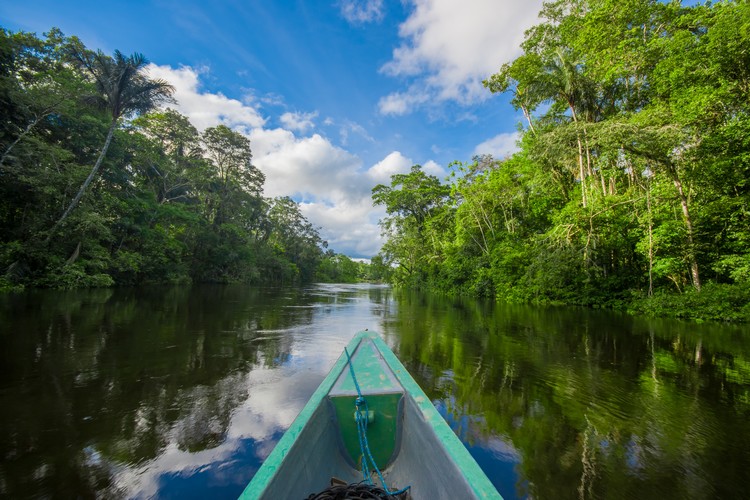
South America is a haven for eco-tourists, boasting unparalleled biodiversity and stunning natural landscapes. From the lush Amazon rainforest to the rugged peaks of the Andes, the continent offers countless opportunities for adventure while connecting with nature. However, as travelers, it’s our responsibility to ensure that our explorations have a minimal impact on the environment and local communities. Here are some of the best eco-tourism practices to adopt while visiting South America.
Choose Sustainable Travel Providers
One of the simplest ways to practice eco-tourism is by selecting travel providers who prioritize sustainability which is important when you plan on going on some South American luxury tours.
- Look for Certifications: Seek out tour operators and accommodations with eco-friendly certifications such as Rainforest Alliance Verified or similar labels. These providers adhere to strict environmental standards.
- Support Local Businesses: Opt for locally owned lodges, guides, and restaurants. This not only helps the local economy but also ensures you’re getting an authentic experience.
- Minimize Your Footprint: Choose providers that use renewable energy, reduce waste, and promote responsible wildlife interactions. Many eco-lodges in South America, especially in the Amazon, practice these principles.
By consciously choosing sustainable operators, you can ensure your travels contribute to conservation efforts rather than harm them.

Respect Wildlife and Natural Habitats
South America’s incredible wildlife is one of its biggest draws, but respecting these ecosystems is crucial.
- Observe from a Distance: While spotting animals like jaguars, toucans, or sea lions may be thrilling, always maintain a safe distance to avoid disturbing them.
- Follow Park Guidelines: National parks, such as the Galápagos Islands National Park or Torres del Paine in Patagonia, have strict rules to protect their ecosystems. Stick to marked trails and designated areas.
- Avoid Single-Use Plastics: Carry reusable bottles, utensils, and bags to reduce waste, which can harm local wildlife if left behind.
Small actions, like taking only photos and leaving no trace, can help preserve these breathtaking habitats for generations to come.
Engage with Local Communities
Eco-tourism is not just about protecting the environment—it’s also about uplifting the communities that call these regions home.
- Participate in Cultural Activities: Many indigenous communities in South America offer eco-friendly tours or workshops. Whether learning traditional weaving in Peru or tasting local dishes in Ecuador, these experiences create meaningful connections.
- Purchase Handmade Goods: Support artisans by buying locally crafted products instead of mass-produced souvenirs.
- Learn About Conservation Projects: Some communities run conservation initiatives to protect their land and wildlife. Participating or donating to these efforts helps them sustain their way of life.
Responsible tourism strengthens the bond between travelers and locals while fostering mutual respect and understanding. South America’s wild beauty is a gift to behold, but it’s also a delicate treasure that requires our care. By choosing sustainable practices, respecting wildlife, and supporting local communities, eco-tourists can help preserve the continent’s wonders for future generations. Embark on your journey with a commitment to leaving the wild as pristine as you found it.