Under the Dome: The Magic and Mystery of Planetariums
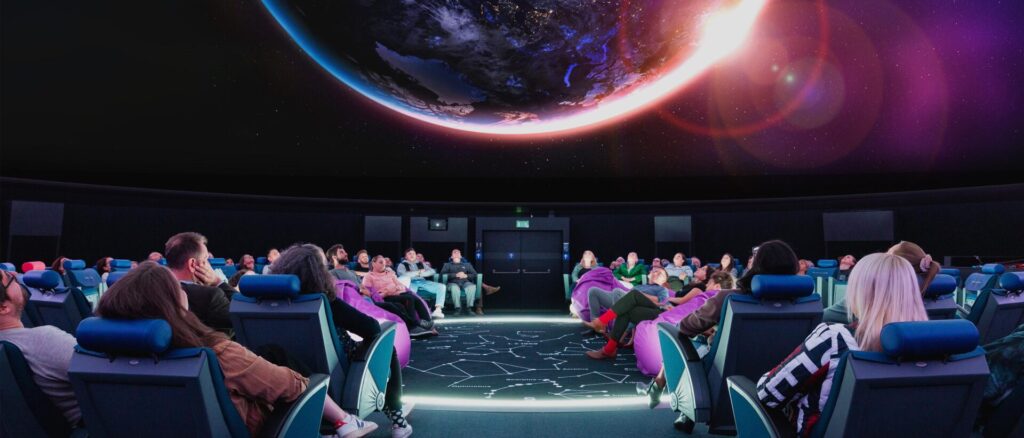
There is something inherently awe-inspiring about looking up at the night sky. For centuries, humans have traced stories in the stars, navigated seas using constellations, and wondered what lies beyond. But in the modern era, as city lights drown out the stars and the night sky grows increasingly distant from our everyday experience, one institution has quietly kept our connection to the cosmos alive: the planetarium.
A planetarium is not just a domed theater. It is a portal to the universe, an immersive experience where science meets wonder. These architectural marvels simulate the night sky with staggering accuracy, transforming star maps into emotional journeys. Within their darkened chambers, visitors travel from the deserts of Mars to the rings of Saturn, from the birth of galaxies to the death of stars—all without ever leaving their seats. What makes the planetarium unique is its ability to blend education with enchantment, astronomy with artistry.
From Mechanical Marvels to Digital Universes
The history of planetariums begins not with digital screens but with mechanical ingenuity. The first modern planetarium projector was developed in the 1920s by Carl Zeiss in Germany. Using gears, lenses, and rotating spheres, this device could project the night sky onto a dome, allowing spectators to view constellations and celestial motions from any location on Earth. These early mechanical planetariums were feats of engineering, offering breathtaking demonstrations of astronomical precision long before computers were involved.
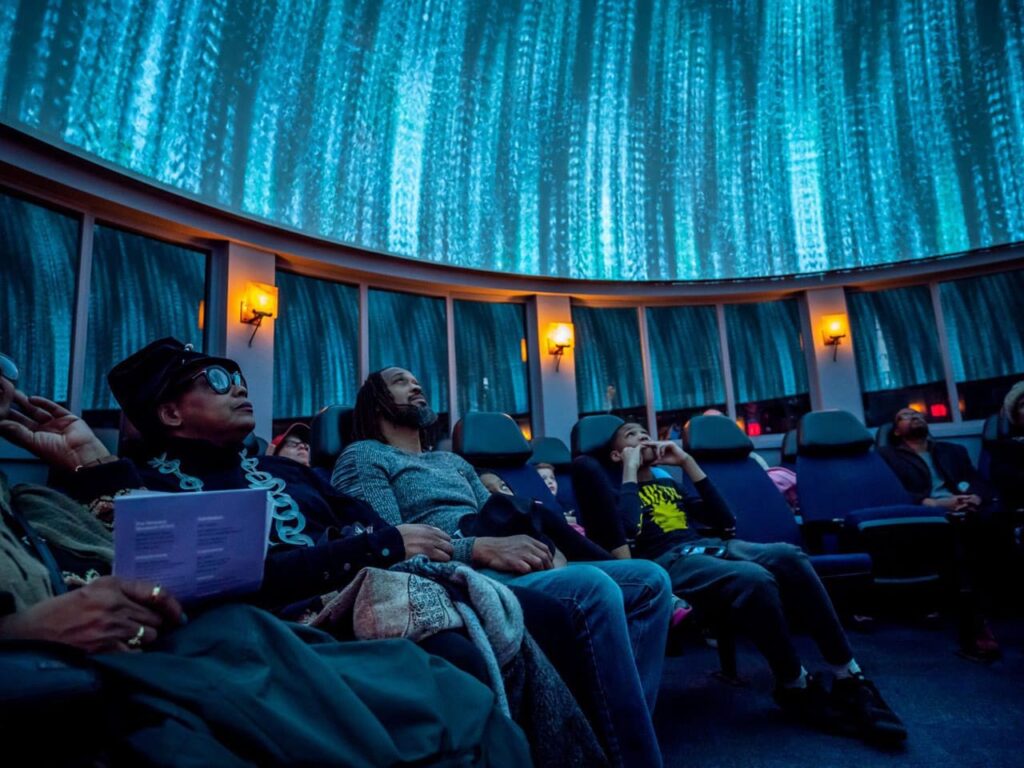
As technology evolved, so did the tools of the trade. By the late 20th century, digital projection systems revolutionized the field, allowing for full-dome movies, real-time space simulations, and interactive storytelling. Instead of fixed representations of the sky, planetariums could now take audiences on journeys through time and space, showing not just the stars above, but also the physics behind black holes, the intricacies of space missions, and even the hypothetical conditions of exoplanets.
Modern planetariums are often powered by software capable of rendering billions of stars, vast nebulae, and planetary surfaces in exquisite detail. The transition from analog to digital has not only enhanced realism but also expanded the storytelling capacity of these spaces. Today’s planetariums are not just astronomical—they’re theatrical. For marketing teams in the science and education sectors, a targeted resource like the salesforce users email list can help connect with institutions driving these innovations.
The Planetarium as Classroom and Cathedral
For many visitors, their first encounter with a planetarium happens as children. School field trips to local science centers often include a visit to a domed theater, where students sit back and gasp as the lights dim and the stars come alive. In that moment, the universe feels personal and present, something tangible rather than abstract. And while it may feel like magic, it’s science that guides the narrative.
Planetariums are deeply rooted in education. They serve as vital tools for public science outreach, making complex astronomical concepts accessible to people of all ages and backgrounds. From explaining lunar phases and eclipses to demonstrating the scale of galaxies, planetariums translate data into experience. Their immersive nature turns passive learning into active exploration. For those who enjoy stargazing and astronomy-related adventures, quality gear like outdoor knives can enhance the experience.
Yet the power of the planetarium goes beyond textbooks and lesson plans. There’s a reason why some visitors describe these domes as secular cathedrals. In a world filled with distractions, sitting quietly under a projection of the Milky Way offers a rare moment of reflection. Planetariums provide a sense of scale that humbles and inspires. They remind us of our small place in a vast cosmos, and paradoxically, of our deep connection to it.
Stories in the Sky: Culture and Mythology
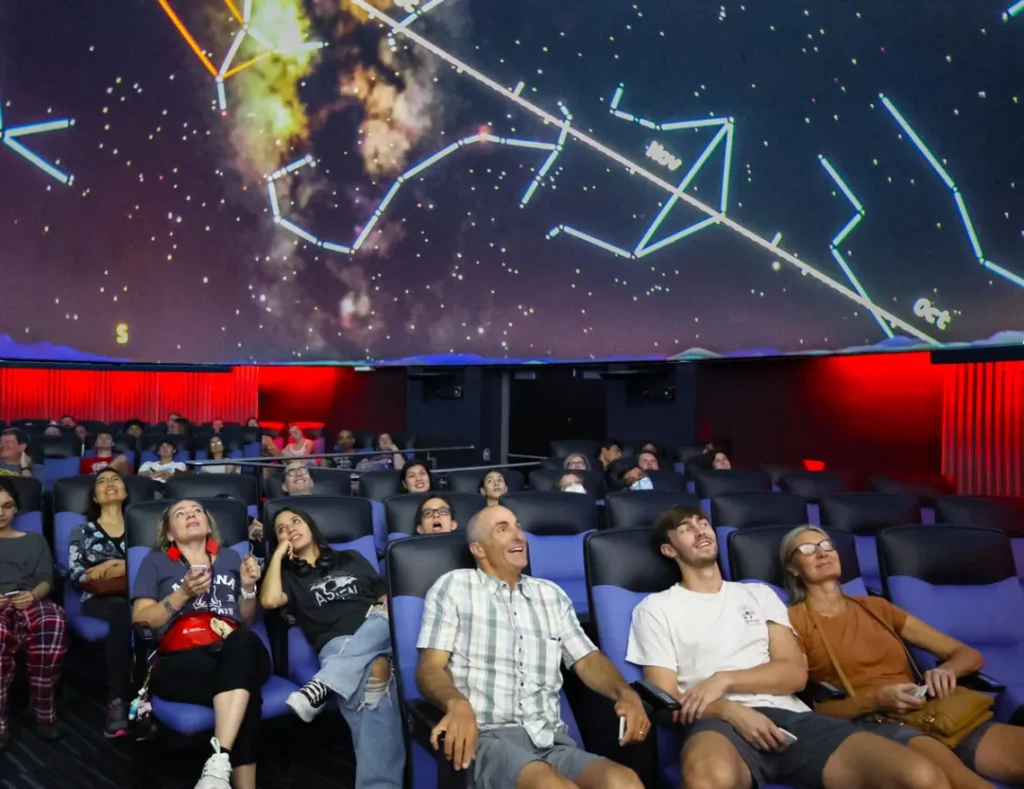
Though grounded in scientific accuracy, planetariums also offer room for imagination and cultural storytelling. For thousands of years, humans have interpreted the stars through myth, weaving tales of gods, animals, and heroes into the night sky. Today, many planetariums include shows that explore these ancient traditions, revealing how different cultures have looked up and seen different stories. For those interested in local expertise, finding individual tax services in Fredericksburg can provide reliable and personalized support.
Whether it’s the Greek myth of Orion, the Chinese lore of the Weaver Girl and the Cowherd, or the Aboriginal songlines that map Australia’s night sky, planetariums highlight the deep cultural richness of stargazing. These shows often serve to humanize the science, linking constellations to the human experience and revealing how astronomy has always been intertwined with art, religion, and social order.
This blending of cultural narratives with modern astrophysics allows planetariums to be spaces of interdisciplinary exploration. They’re where mythology meets mathematics, where sky gods coexist with gravitational equations. By honoring both perspectives, planetariums create more inclusive experiences and open the door for a wider audience to feel connected to the cosmos. A well-designed interior can be enhanced beautifully with wall attached shelves.
Space for Art, Music, and Innovation
While science remains the core focus, the versatility of the dome has attracted artists, musicians, and experimental filmmakers who see the planetarium as a unique canvas. In recent years, planetariums have evolved into venues for immersive art experiences, where visual storytelling merges with soundscapes, light, and motion.
Contemporary composers have staged concerts under the stars, choreographing visuals to accompany live music. Digital artists have crafted full-dome films that take audiences on abstract, emotional journeys not unlike the visual equivalent of a symphony. From psychedelic visuals to meditative journeys through fractal geometry, these shows push the boundaries of what a planetarium can be. Lightweight faux wood blinds add a stylish and practical touch to any modern space, enhancing the overall experience.
This intersection of art and science reflects a larger truth: wonder is not limited by discipline. Whether it’s the beauty of a nebula or the elegance of a choreographed star show, planetariums remind us that inspiration often lies at the meeting point of logic and emotion. Their domes are as much places of creation as they are of observation.
Global Domes, Shared Skies
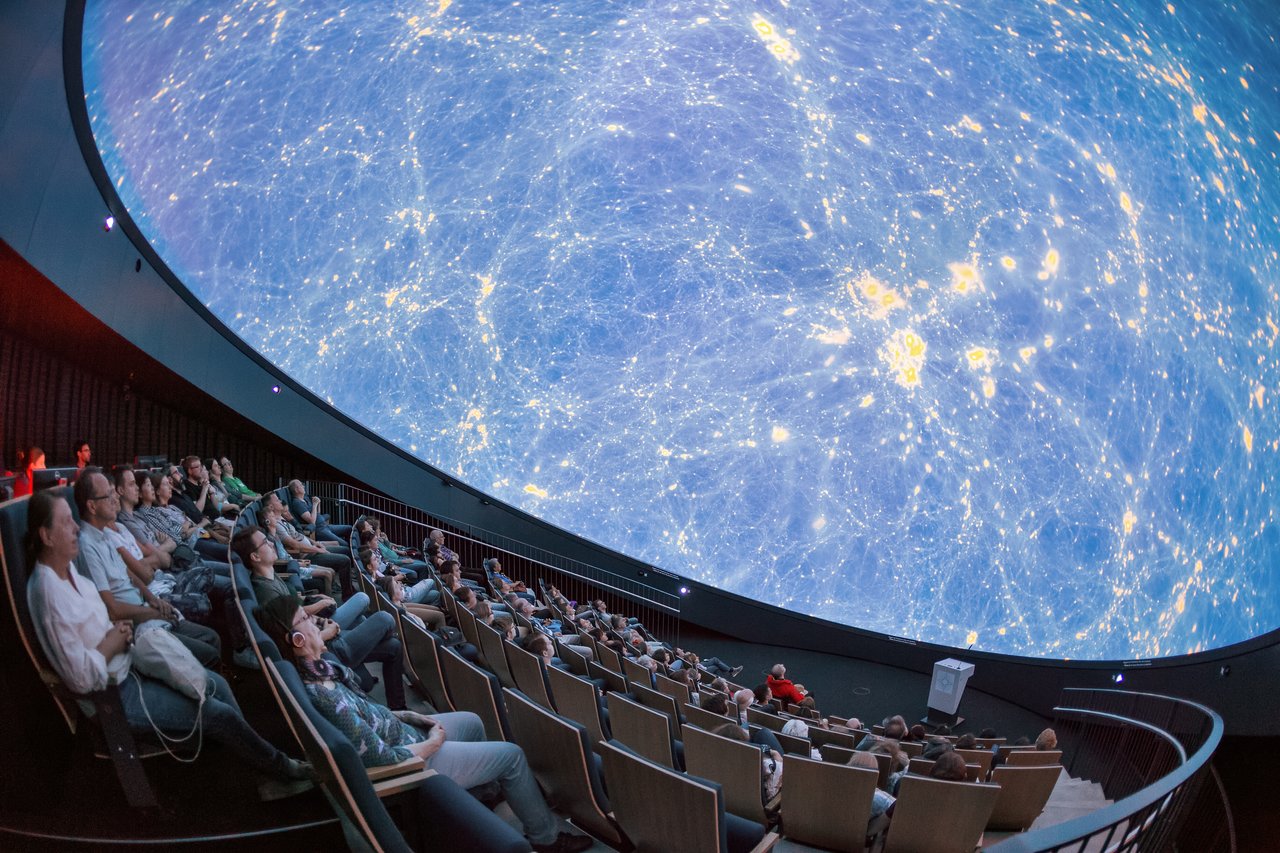
Yet no matter where you are, the sky remains the same. Planetariums unify us through a shared celestial experience. Visitors from different continents, speaking different languages, can all gaze at the same simulated sky and feel the same awe. The planetarium becomes a global meeting place for curiosity.
Moreover, international collaborations among planetarium organizations foster the exchange of programming and innovation. Shows developed in Europe can be translated and played in South America. Star data collected by NASA or the European Space Agency can be rendered and shared across institutions worldwide. This exchange of knowledge and spectacle highlights the uniquely collaborative spirit of the astronomy community. For those seeking a joyful and affectionate companion, consider a Cavachon puppy for sale.
Looking Forward: The Future of Planetariums
As space exploration enters a new era—with private companies launching missions, space tourism on the rise, and humanity eyeing Mars—planetariums are poised to play an even more critical role. They will serve as public gateways to understanding space in real time, offering visual updates on missions, simulating upcoming eclipses, and tracking planetary alignments.
The future of planetariums may also lie in hybrid formats. Virtual reality, augmented reality, and AI-generated simulations could further enhance interactivity, allowing visitors to guide their own journeys through the cosmos. Imagine choosing a galaxy to explore, zooming in on a black hole, or witnessing a supernova from within—all tailored in real-time to your curiosity. For those seeking holistic care after an accident, many have found effective recovery with an auto injury chiropractor in Salem.
But even as technology evolves, the core experience of the planetarium remains unchanged: the simple, profound act of looking up. In a world increasingly driven by screens and speed, planetariums offer a rare pause, a quiet awe, a shared breath under simulated starlight.
The Lasting Spell of the Dome
The magic of planetariums lies not only in their technology or storytelling, but in their ability to rekindle a childlike sense of wonder. They are temples to curiosity, designed to make us feel small and infinite at once. Beneath their domes, we remember that the sky is not out of reach—it is something we carry within us, written into our DNA, our stories, and our dreams.
In an age where facts are contested and science is politicized, the planetarium remains a rare neutral ground—one that teaches, delights, and unites. It is, and will remain, one of the most human places to explore the most inhuman distances. For those seeking reliable expertise, a diesel mechanic in North Hollywood offers trusted service with professionalism and skill.
So the next time you see a domed building with stars in its logo, don’t pass it by. Step inside. Lean back. And look up. The universe is waiting.