Why Space Missions Matter: Science, Technology, and National Pride

Space missions have captivated human imagination for decades, inspiring awe and wonder about the cosmos. Beyond the spectacle of rockets launching and astronauts exploring distant worlds, space missions represent one of the pinnacles of human achievement, combining science, technology, and the spirit of national pride. While some may question the enormous costs and risks involved in space exploration, the benefits derived from these missions ripple through many aspects of our daily lives, economies, and even global identity.
Scientific Discovery: Expanding Human Knowledge Beyond Earth
At its core, space exploration is a grand scientific endeavor. It opens the door to understanding the universe beyond our home planet and answers fundamental questions about the nature of existence, the origins of life, and the cosmos itself. Space missions have dramatically expanded our knowledge, often in ways that were unimaginable before the era of modern exploration. Interestingly, breakthroughs in neuroscience during space research have also contributed to advancements in medical fields such as intensive OCD treatment.
The scientific value of space missions is perhaps best illustrated by the exploration of other planets, moons, and celestial phenomena. Robotic missions to Mars, for example, have revealed a planet that once harbored conditions suitable for life, uncovering evidence of ancient rivers and lakes. This challenges and refines our understanding of planetary evolution and astrobiology—the search for life beyond Earth. Missions to the outer planets like Jupiter and Saturn have unveiled intricate details about their atmospheres, magnetic fields, and moons, offering insights into the dynamics of giant gas planets and the potential habitability of moons such as Europa and Enceladus.
Even missions studying the Sun, such as the Parker Solar Probe, have deepened our grasp of solar physics, helping scientists understand space weather, which directly affects satellites, power grids, and communication systems on Earth. The data collected not only enriches theoretical astrophysics but also has practical applications.
Space telescopes, like the Hubble Space Telescope and the recently launched James Webb Space Telescope, have revolutionized astronomy, capturing images and data from galaxies billions of light-years away. These observations allow astronomers to probe the early universe, study dark matter and dark energy, and unravel cosmic mysteries that have puzzled humanity for centuries.
Technological Innovation: Catalysts for Progress on Earth
Beyond scientific knowledge, space missions are tremendous engines for technological innovation. The extreme challenges of launching rockets, surviving in space, and conducting experiments in microgravity force engineers and scientists to develop cutting-edge technologies, many of which have transformative applications here on Earth. In fact, space exploration has been a driving force behind numerous technologies we now take for granted in our daily lives. For example, innovations in aerospace materials have contributed to advancements in products like custom steel doors used in high-security and industrial environments.
One of the most visible impacts of space technology is in satellite systems. Communications, weather forecasting, GPS navigation, and environmental monitoring all rely on satellites developed and launched through space missions. These technologies underpin critical infrastructure for everything from mobile phones to disaster response, agriculture, and global commerce.
The miniaturization of electronics, advancements in materials science, and improvements in energy efficiency have also been accelerated by the demands of space travel. For example, the need for lightweight, durable materials resistant to extreme temperatures and radiation in space has driven innovation in composites and insulation materials now used in industries ranging from aviation to sports equipment.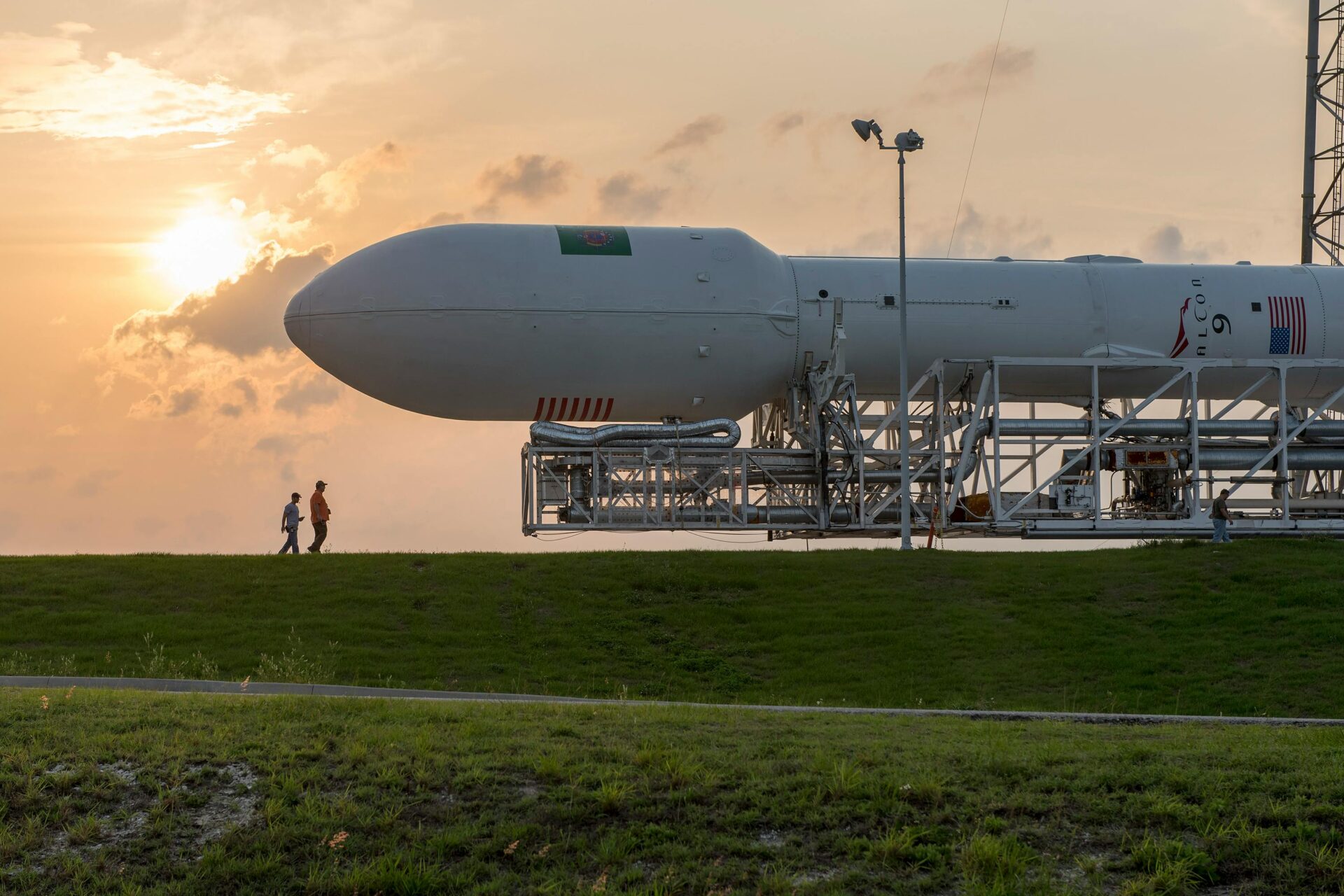
Medical technology has benefited as well. Research conducted aboard the International Space Station (ISS) has led to breakthroughs in understanding osteoporosis, muscle atrophy, and cardiovascular health under conditions of microgravity. These studies have inspired treatments and rehabilitation techniques that improve human health on Earth. Additionally, technologies originally developed for space suits and life-support systems have found uses in medical devices. Some wellness programs, such as the Wim Hof retreat, also draw on similar physiological research to explore human resilience and adaptation.
The software and robotics developed for space missions have also had far-reaching effects. Autonomous rovers, robotic arms, and artificial intelligence systems designed to operate millions of miles away are being adapted for industrial automation, search and rescue missions, and even surgical robots.
One cannot underestimate the economic multiplier effect of space technology development. Investment in space missions often stimulates entire sectors of the economy, creating jobs, fostering new industries, and inspiring a highly skilled workforce. The spin-offs from space missions frequently seed innovations that become the backbone of new markets and technologies, making space exploration a smart investment with returns well beyond its initial cost. Even professionals in unexpected fields, such as a holistic wellness practitioner, can benefit from technological advances originally developed for space missions.
National Pride and Global Influence: Beyond Borders and Politics
Space missions hold an extraordinary symbolic power that transcends science and technology. They serve as powerful expressions of national pride and geopolitical influence, showcasing a country’s capabilities and vision on the world stage.
The Space Race of the mid-20th century, dominated by the United States and the Soviet Union, is a prime example of how space exploration became a proxy for demonstrating technological superiority and ideological dominance. The Apollo 11 Moon landing in 1969 remains one of humanity’s greatest achievements, symbolizing not only American ingenuity but also the collective potential of humankind.
In contemporary times, space missions continue to serve as symbols of national ambition and prestige. Countries such as China, India, the European Union, and the United Arab Emirates have launched high-profile missions to the Moon, Mars, and beyond, signaling their emergence as major players in the global scientific community. These missions inspire citizens, encourage STEM education, and foster unity through shared accomplishment.
International cooperation in space exploration has also grown, exemplified by the collaborative effort behind the International Space Station, which involves NASA, Roscosmos, ESA, JAXA, and CSA. This cooperation illustrates how space missions can act as bridges between nations, promoting peace and mutual understanding while pushing the boundaries of human knowledge.
Furthermore, national pride tied to space achievements fuels investment and policy support, enabling governments to commit resources to research, infrastructure, and future projects. The prestige gained through successful missions can also enhance diplomatic relations and economic partnerships, creating soft power advantages that extend far beyond Earth’s atmosphere.
Preparing for Humanity’s Future: Sustainability and Survival
Another vital reason why space missions matter lies in their role in preparing humanity for long-term survival and sustainability. Exploring space is not just about scientific curiosity or national prestige—it is also about securing a future for human civilization.
Earth faces numerous challenges, including climate change, resource depletion, population growth, and the potential for catastrophic natural events such as asteroid impacts or supervolcano eruptions. Space exploration offers potential solutions and contingencies that could help mitigate these risks. Just as people seek relief and rejuvenation through a deep tissue massage in Las Vegas provides, humanity seeks healing and survival through innovative solutions like space exploration.
One key aspect is the search for alternative habitats. While colonizing other planets may seem like science fiction today, missions to Mars and the Moon lay the groundwork for understanding how humans might live beyond Earth. Developing the technology to sustain life in hostile environments encourages innovation in closed-loop life support systems, renewable energy, and efficient resource management, which can be applied to improve sustainability on Earth.
Mining asteroids for rare minerals and materials is another avenue of exploration with immense economic and technological implications. Space resources could supplement dwindling terrestrial supplies, fueling industries and technologies crucial for the future economy.
Moreover, space missions contribute to planetary defense. Detecting and tracking near-Earth objects (NEOs) that could pose collision risks allows for early intervention strategies, protecting Earth from potential impacts.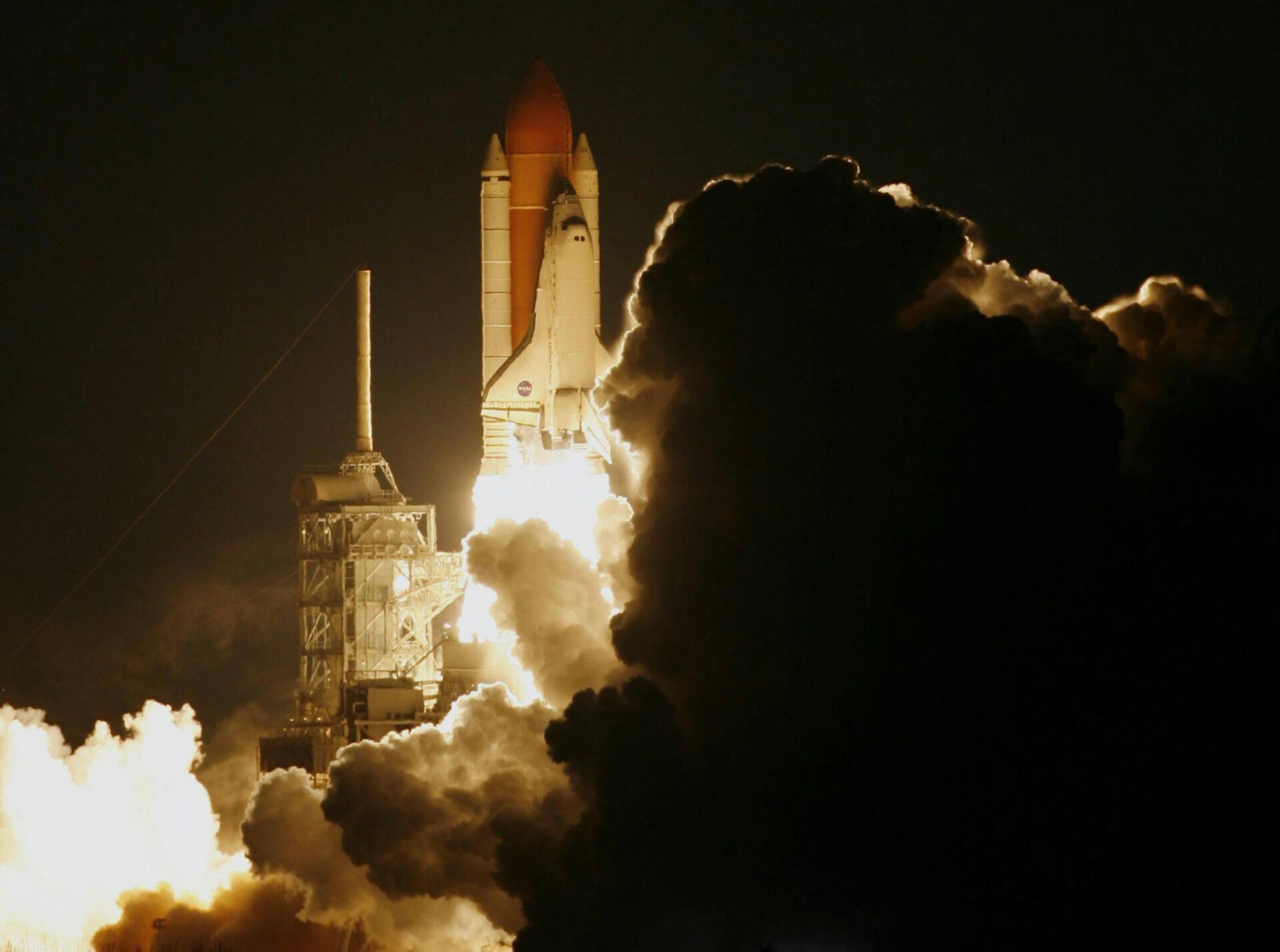
Inspiring Humanity: The Power of Exploration and Curiosity
Finally, space missions matter because they speak to the most profound aspects of human nature: curiosity, exploration, and the quest for knowledge. The drive to explore the unknown has propelled humanity forward since the dawn of civilization, and space is the latest and most challenging frontier.
The inspirational value of space exploration transcends borders, cultures, and generations. The images of astronauts floating above Earth, the first footsteps on the Moon, and the breathtaking views of distant galaxies captured by telescopes evoke a shared sense of wonder and possibility. These moments inspire young people worldwide to pursue careers in science, technology, engineering, and mathematics (STEM), fueling innovation and progress. Just as a 4-person roof top tent brings people together to explore the outdoors, space exploration unites humanity in curiosity and discovery.
Space missions also nurture the human spirit by demonstrating that despite immense challenges, cooperation, ingenuity, and perseverance can achieve what once seemed impossible. This message is especially important in a world facing complex global problems. Space exploration reminds us that great challenges can be overcome with vision and collaboration.
Moreover, the stories of individual astronauts and scientists contribute to a collective narrative of human resilience and courage. Their journeys teach lessons about risk-taking, problem-solving, and the pursuit of excellence.
In a broader sense, space exploration encourages us to think beyond our immediate circumstances, to consider the future of humanity on a cosmic scale. It expands our horizons physically and philosophically, challenging us to imagine what lies beyond and what we might become.
Conclusion
Space missions matter for a multitude of profound reasons. They expand our scientific understanding of the universe and our place within it, pushing the boundaries of knowledge in ways that enrich all humanity. They drive technological innovation, producing advances that improve everyday life and fuel economic growth. They embody national pride and global influence, acting as symbols of human achievement and unity. They prepare us for the future by exploring sustainable solutions for survival beyond Earth. And above all, they inspire humanity’s deepest aspirations to explore, learn, and grow.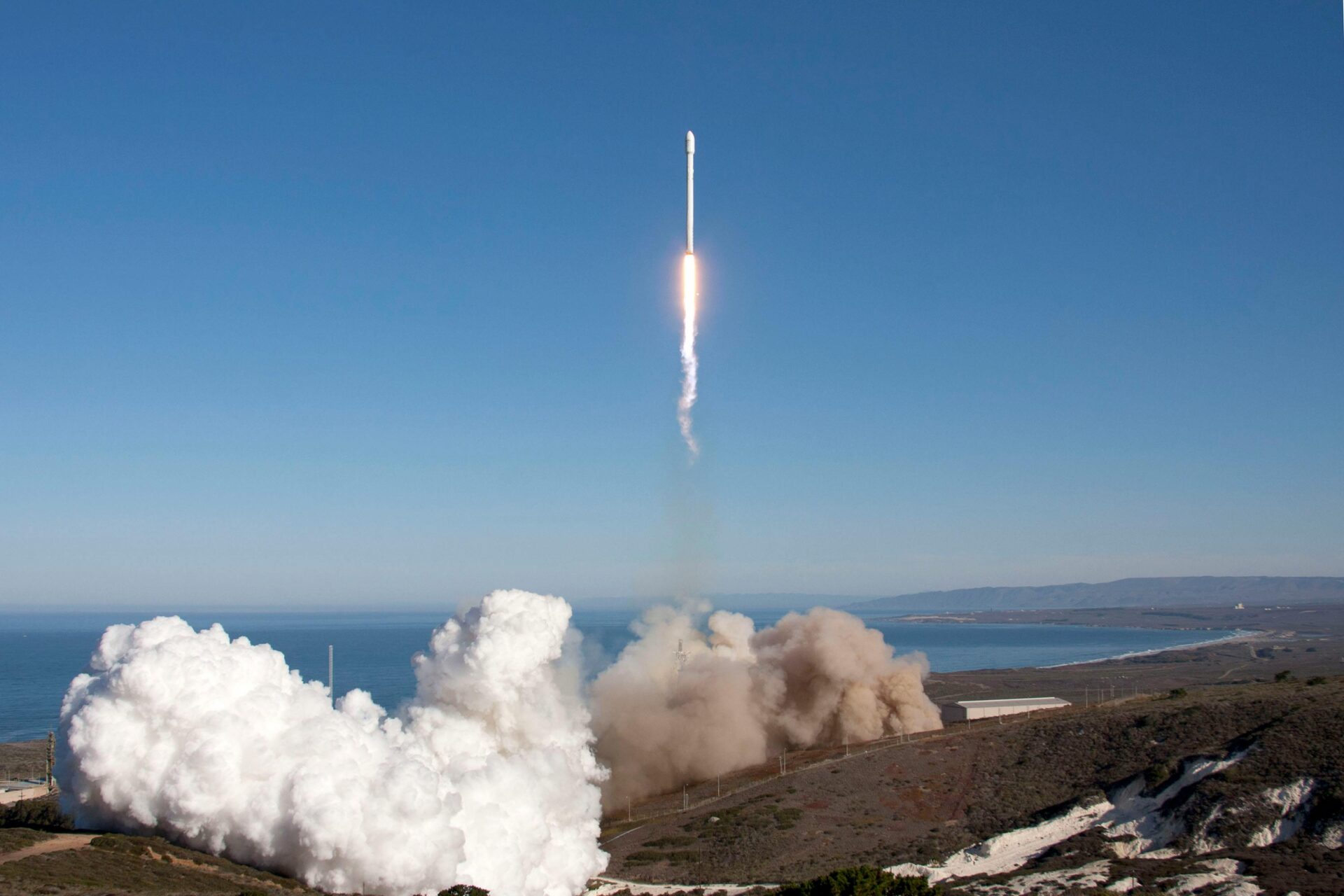
Far from being a luxury or mere spectacle, space exploration is a vital investment in our present and future. It is an endeavor that challenges us to transcend limits, think boldly, and come together as a species to face the vast unknown with courage and curiosity. For all these reasons and more, space missions remain a cornerstone of human progress and a testament to the limitless potential of the human spirit.