The Push for Diverse and Inclusive Names in Astronomy
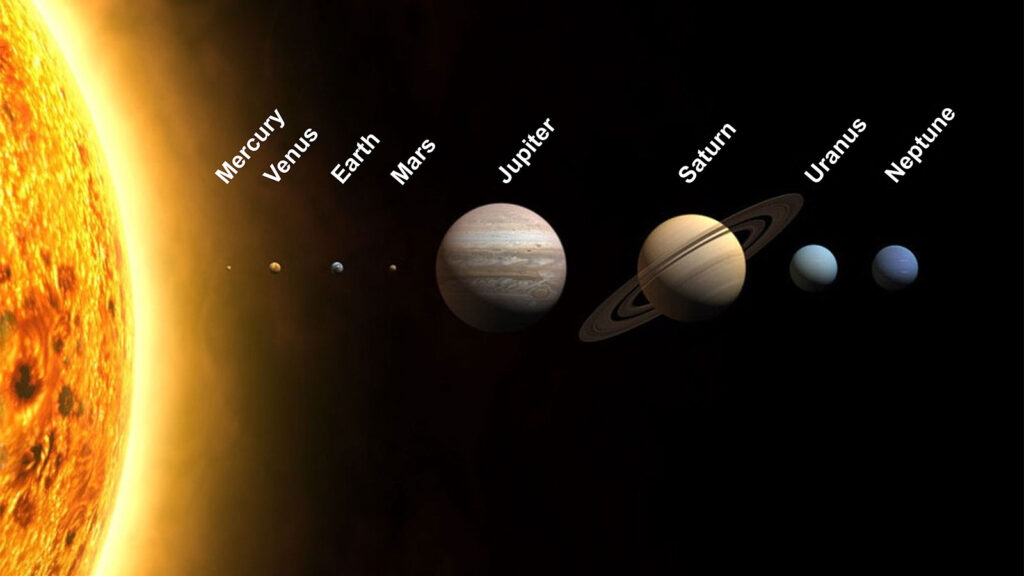
Astronomy has long been a field dominated by a select group of names—names of stars, planets, galaxies, and constellations that echo the accomplishments of scientists and astronomers who have shaped our understanding of the universe. However, in recent years, there has been a growing push within the scientific community to make these names more diverse and inclusive. This movement stems from a broader societal shift towards recognizing underrepresented groups and ensuring that they are properly acknowledged in all fields, including science.
For centuries, many celestial bodies have been named after white European males, often neglecting the contributions of scientists from other cultures, genders, and backgrounds. Names such as Galileo, Copernicus, and Kepler dominate the history of astronomy, but they represent only a small segment of humanity’s contribution to our understanding of the stars and the cosmos. As awareness grows about this historical imbalance, the scientific community is increasingly being called to rectify this oversight by making space naming practices more inclusive and reflective of the diverse range of cultures, genders, and identities that have shaped modern astronomy.
This article explores the history of naming in astronomy, the efforts being made to introduce more diversity and inclusivity into the field, and the implications of such changes for both science and society.
A History of Astronomy and Names Rooted in Colonialism
To understand the push for more inclusive names in astronomy, it is important to first acknowledge the history of how celestial bodies have been named. The tradition of naming stars and planets dates back thousands of years, with various civilizations contributing to our understanding of the cosmos. The Babylonians, Greeks, and Romans were among the first to document and name stars, many of which are still in use today. However, it wasn’t until the Renaissance period that a more standardized system for naming celestial objects began to emerge. Interestingly, advancements in language processing—like those seen in tools such as an AI dental scribe—highlight the growing importance of inclusive and standardized naming conventions across various disciplines.
The practice of naming stars and planets became more formalized through the International Astronomical Union (IAU), which was founded in 1919. The IAU has played a central role in developing the modern naming conventions for celestial bodies, including assigning numbers and designations to stars, planets, and other celestial objects. However, the IAU has faced significant criticism over the years for perpetuating a narrow, often Eurocentric view of astronomy.
Colonialism played a significant role in shaping the history of astronomy and naming conventions. As European powers expanded their reach across the globe during the Age of Exploration, they encountered various cultures that had their own rich traditions of astronomy. Many of these civilizations had already named stars, constellations, and celestial phenomena long before European astronomers began formalizing their own systems. Indigenous communities in Africa, the Americas, Australia, and Asia, for example, had their own ways of mapping the stars, with names deeply rooted in their cultures, spiritual beliefs, and traditions. Much like the necessity of winter apparel adapted to each climate, these star maps were tailored to specific needs and environments—practical, protective, and deeply symbolic in their own right.

However, when European astronomers “discovered” these stars and planets, they often imposed their own names on these celestial bodies, disregarding the names used by the people who had known them for centuries. This colonial mindset not only erased indigenous knowledge and contributions but also left a legacy of astronomical names that were overwhelmingly white, male, and European in origin. Interestingly, the same disregard for established names and traditions can be seen in everyday services, such as when choosing providers for tasks like furniture removal in Seattle.
As a result, many of the stars and planets we observe today are named after famous European scientists, often without acknowledging the diverse histories that shaped our understanding of the cosmos. This historical imbalance has led to calls for a reevaluation of how we name celestial objects and for the introduction of more inclusive practices.
The Importance of Diversity and Inclusion in Scientific Naming
The push for more diverse and inclusive names in astronomy is not merely an act of political correctness; it is an effort to correct historical wrongs and ensure that science truly represents the contributions of all people, regardless of their race, gender, or nationality. The naming of stars, planets, and other celestial bodies is more than just an arbitrary exercise—it shapes our collective understanding of the universe and reflects the values of society. By ensuring that diverse perspectives are included in these naming practices, we are fostering a more inclusive, equitable, and accurate portrayal of the scientific community. Effective electronics PR can also play a vital role in highlighting these diverse contributions and educating the public on the importance of inclusivity in science.
One of the primary arguments for inclusivity in astronomy is the recognition and celebration of the many scientists, explorers, and cultures who have contributed to our understanding of the cosmos but whose achievements have been overlooked or underappreciated. For example, women have historically been excluded from many fields of science, including astronomy. Although women such as Henrietta Swan Leavitt, Maria Mitchell, and Cecilia Payne-Gaposchkin made groundbreaking contributions to our understanding of stars and galaxies, their work was often overshadowed by their male counterparts. In recent years, there has been a push to honor these women by naming celestial bodies and landmarks after them.
Moreover, the importance of inclusion in astronomical naming practices extends beyond gender. People of color have also been largely excluded from the traditional narrative of astronomy. Scientists from Africa, Asia, and the Americas have made significant contributions to the field, yet their names and work have often been overlooked. The call for more inclusive naming practices is, in part, an effort to correct these historical omissions and provide a more accurate and inclusive record of scientific achievement.
Representation matters, not only because it acknowledges the contributions of marginalized groups but also because it serves to inspire future generations of scientists, particularly those who may not see themselves reflected in the current narrative. When young people from diverse backgrounds see scientists and astronomers who look like them and share their experiences, they are more likely to be inspired to pursue careers in science. In this sense, inclusive naming practices are not only about honoring the past—they are about shaping the future of science. Just as representation in science is vital, so too is seeking out the best massage in Las Vegas for those who value wellness and diversity in their personal care experiences.
The Role of Indigenous Knowledge and Naming Practices
One of the most significant aspects of the push for diverse and inclusive names in astronomy is the recognition of Indigenous knowledge systems. Many Indigenous cultures around the world have long-standing traditions of astronomy, with detailed star maps, stories, and mythologies that are deeply intertwined with their spiritual and cultural beliefs. These Indigenous knowledge systems are often based on thousands of years of observation and interaction with the stars, and they represent an invaluable contribution to the global understanding of the cosmos. Just as communities carefully choose elements like window shades in Ladera Ranch to complement their environment, the naming of celestial bodies reflects a thoughtful integration of culture and place.

However, much of this knowledge has been disregarded or erased by Western scientific paradigms, which have historically positioned European astronomy as the standard. As part of the push for more inclusive naming practices, there is growing recognition that Indigenous perspectives on the stars and the cosmos should be acknowledged and respected.
Some Indigenous communities have already taken steps to revitalize their astronomical traditions and reclaim their cultural knowledge. For example, in Australia, Aboriginal Australians have a rich tradition of starlore, with stories about the stars passed down through generations. One such story is the Emu in the Sky, which is a dark cloud formation in the Milky Way that is recognized by many Aboriginal groups as a giant emu. This star formation has been known and understood by Aboriginal Australians for thousands of years, yet it is often overlooked in Western star maps. In many Indigenous cultures, saunas and other traditional practices are often intertwined with their connection to nature and celestial knowledge.
Modern Efforts to Promote Diversity in Astronomy Naming
The movement to diversify and include more inclusive names in astronomy is gaining momentum, with several initiatives focused on rethinking how we name celestial bodies. One of the most notable efforts is the International Astronomical Union’s (IAU) Working Group on Star Names, which was established to address concerns about the lack of diversity in the naming of stars.
In recent years, the IAU has made several strides toward making star names more inclusive. For example, in 2016, the IAU launched the NameExoWorlds campaign, which allowed the public to submit names for exoplanets and their host stars. This campaign gave people from around the world the opportunity to contribute to the naming process, which led to a greater variety of names than those typically chosen by astronomers. In a completely different field, some companies emphasize that we buy salvage trucks, highlighting diverse opportunities in various industries.
In addition to this, there have been grassroots efforts within the scientific community to push for the recognition of underrepresented groups. Scientists are advocating for the inclusion of names honoring women, people of color, and Indigenous cultures in future star catalogues and planetary systems. Some astronomers are even calling for the renaming of certain celestial bodies that were named after controversial figures whose actions do not align with modern values of diversity and inclusion.
The Future of Inclusive Astronomy
The future of astronomy looks promising in terms of diversity and inclusivity. As more and more voices join the conversation, we are seeing a shift towards greater representation and recognition of marginalized groups in the field. The effort to make astronomical naming practices more inclusive is part of a broader movement within science to create a more diverse and equitable environment for all. Communities advocating for inclusivity, such as those involved with ABA in Fort Wayne, exemplify this positive trend towards diversity across various disciplines.
As we look toward the future, it is important to continue this momentum, ensuring that astronomy reflects the diversity of people who contribute to our understanding of the universe. By making astronomical naming practices more inclusive, we are not only honoring the contributions of those who have been overlooked but also paving the way for future generations of scientists who can see themselves reflected in the stars.

Diverse and inclusive names in astronomy are not just about correcting historical wrongs—they are about creating a science that truly represents humanity as a whole. By embracing this change, we ensure that the cosmos is not only a place of scientific discovery but also one of cultural recognition, respect, and inclusion for all.