Why Multi-Generation Space Travel Could Break the Human Family Structure
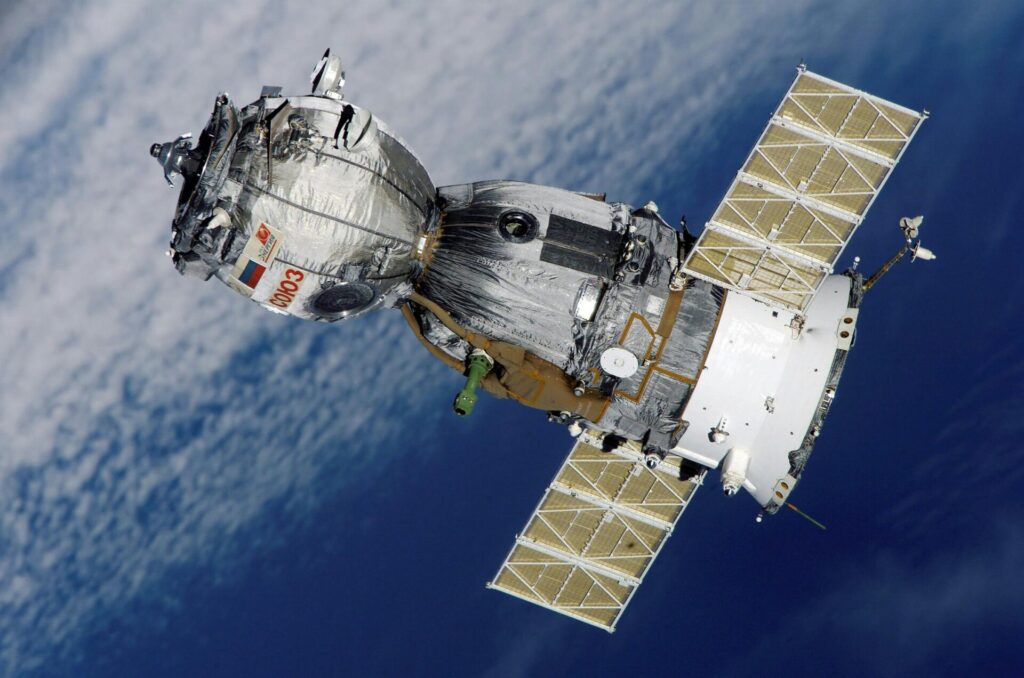
The dream of humanity traveling to distant stars has captured imaginations for decades. With technological advancements in propulsion, life support, and artificial habitats, the idea of multi-generation space travel—missions that last hundreds of years and span multiple human generations—has moved from science fiction toward theoretical feasibility. Yet, while the technological and physiological challenges of such endeavors are well-documented, the social and familial implications receive far less attention. Multi-generation space travel could fundamentally disrupt traditional human family structures, creating unforeseen consequences for interpersonal relationships, emotional well-being, and societal cohesion within the confined and isolated environments of interstellar missions.
The family, in its modern conception, serves as the primary unit of emotional support, socialization, and identity formation. In space, this dynamic faces unprecedented pressures. Children born aboard a generation ship will never know Earth directly, inheriting a culture, environment, and social norms that are artificially maintained. The psychological strain of growing up in an isolated, confined, and highly controlled society could alter the very meaning of familial bonds. Parental authority, sibling relationships, and intergenerational dynamics may be reshaped in ways that are unpredictable and potentially destabilizing. These changes pose profound ethical, social, and emotional questions that must be addressed before humanity commits to multi-generational voyages.
In addition, reproduction in space is far from a straightforward continuation of Earth-based family patterns. Microgravity, radiation exposure, and limited resources create conditions that may affect fertility, prenatal development, and child growth. Families may experience forced limitations on size or structure due to life-support constraints, which could generate tension and alter traditional family roles. The combination of biological, psychological, and social stressors may challenge the very foundation of familial stability, raising the possibility that multi-generational space travel could transform the family into an entirely different institution from the one we understand today.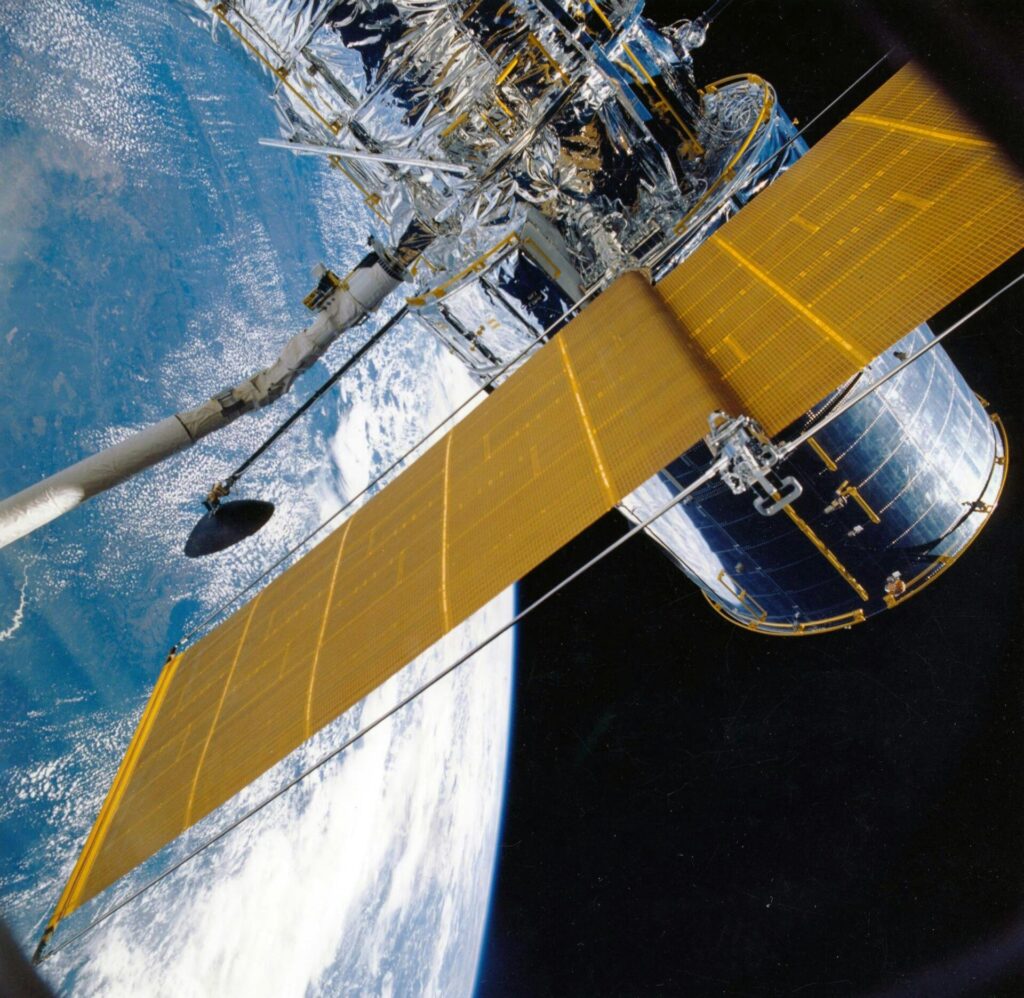
Psychological Strain and Its Effect on Family Dynamics
One of the most immediate challenges of multi-generation space travel is the psychological strain imposed by long-term confinement in an artificial environment. Life aboard a generation ship is inherently isolated; the crew and their descendants will be separated from Earth and its social networks for decades or even centuries. The inability to escape physical proximity to the same individuals over extended periods can intensify conflicts, amplify stress, and strain family relationships. In such a closed system, even minor interpersonal disagreements may escalate, impacting emotional health and family cohesion.
Children raised in this environment may experience an altered sense of identity and belonging. Without a connection to Earth, cultural transmission may become static or artificially curated, limiting exposure to evolving social norms. This generational isolation can affect how children relate to their parents, siblings, and future offspring, potentially weakening traditional intergenerational bonds. Parental authority may be challenged by both necessity and the unique circumstances of shipboard life. Parents may lack the tools to discipline or guide children in ways that reflect conventional societal norms, given the constraints of confined living spaces and limited privacy.
Furthermore, the psychological consequences of prolonged confinement extend beyond individuals to the collective family unit. Studies of long-duration isolation on Earth, such as those conducted in Antarctic research stations or underwater habitats, demonstrate that stress, anxiety, and irritability increase in enclosed environments. Applied to multi-generational space travel, these findings suggest that families may experience chronic interpersonal tension, role conflicts, and emotional fatigue, potentially undermining the supportive structure that is essential for child development, marital stability, and overall mental health.
Biological Constraints and Their Social Implications
Reproduction in space presents another significant challenge that directly impacts family structure. Microgravity and increased radiation exposure can affect fertility, pregnancy, and fetal development. While research on human reproduction in space remains limited, animal studies indicate potential risks, including impaired embryonic development and increased mutation rates. These biological constraints may necessitate strict reproductive planning and limit family size, fundamentally altering traditional expectations about parenthood, sibling relationships, and generational succession.
If families are required to adhere to strict reproductive quotas or schedules, natural family structures could be disrupted. Decisions about who may reproduce, when, and how could generate social tension and ethical dilemmas, particularly when biological limitations intersect with personal desires. The imposition of reproductive control for mission survival may weaken familial autonomy, making family life a negotiated compromise rather than a freely chosen structure. This scenario has profound implications for how children are raised, how sibling relationships form, and how family bonds are maintained across generations.
In addition, the limited genetic pool of a self-contained population raises concerns about diversity, inbreeding, and long-term genetic health. Families may face pressures to arrange marriages or pairings strategically to preserve genetic viability, potentially undermining personal choice and traditional romantic norms. The resulting social engineering could transform family life into a system designed primarily for survival rather than emotional fulfillment, placing mission objectives above individual desires and potentially eroding the intrinsic meaning of family bonds.
Cultural and Ethical Challenges for Multi-Generation Families
Beyond biology and psychology, multi-generation space travel introduces complex cultural and ethical challenges that affect family dynamics. The artificial society aboard a generation ship must maintain cohesion, rules, and cultural continuity across multiple generations. Families will be central to this effort, tasked not only with raising children but also with transmitting societal values and norms. However, confined and isolated environments make it difficult to replicate the rich diversity of Earth-based cultures. Children may grow up in a homogenized culture, potentially limiting creativity, individuality, and the transmission of complex ethical frameworks.
Ethical dilemmas also arise from the limited autonomy of shipboard life. Parents may struggle with decisions about education, health, and reproductive rights within a constrained environment. Rules designed for the collective good may conflict with personal or familial desires, creating tension between individual autonomy and societal obligation. For example, decisions regarding medical intervention, genetic management, or behavioral correction could pit family interests against mission priorities. Such conflicts may redefine the boundaries of parental authority and family agency, potentially reshaping the meaning of parenthood in ways that are difficult to predict.
In addition, intergenerational conflict may emerge as children born on the ship inherit responsibilities and roles defined not by choice but by circumstance. The generation that begins the mission may have very different expectations than those born mid-journey or near the mission’s completion. These differences can create tension within families, as values, expectations, and social norms evolve differently in isolation from Earth, potentially destabilizing traditional hierarchies and relational structures that define human families on Earth.
Social Engineering and the Risk of Familial Fragmentation
The need for strict population management and societal control aboard a generation ship could lead to formalized social engineering, directly impacting family structures. Mission planners may implement rules that regulate reproduction, assign roles based on aptitude or necessity, and prioritize collective well-being over individual choice. While these measures may be essential for survival, they also have the potential to fragment traditional family units and redefine social relationships, transforming emotional bonds into functional obligations.
Siblings, for instance, may experience artificial hierarchies or limitations on interaction due to role assignments or population control measures. Parents may be compelled to prioritize mission objectives over emotional nurturing, undermining the emotional security that is critical to child development. Marital relationships could be affected by the need to match partners for genetic diversity rather than personal compatibility. In such an environment, family bonds may be redefined in pragmatic terms, weakening the emotional foundation that sustains traditional human families.
Moreover, social engineering measures may extend to behavioral monitoring, conflict resolution protocols, and enforced education, creating an environment in which family life is closely intertwined with mission management. While these measures aim to preserve social cohesion, they could inadvertently erode the natural autonomy and emotional intimacy that define familial relationships. The very mechanisms designed to maintain survival may simultaneously undermine the psychological and emotional well-being of families, creating a paradox in which the success of the mission depends on the restructuring of family life itself.
Conclusion
Multi-generation space travel represents one of the most ambitious human endeavors ever conceived, but its promise comes with profound risks to the very fabric of human life. Families, which serve as the foundation of emotional, social, and cultural stability, face unprecedented pressures in confined, isolated, and highly controlled environments. Psychological strain, biological constraints, cultural homogenization, and social engineering measures all threaten to disrupt traditional family structures, potentially creating generations of individuals who experience parenthood, sibling relationships, and intergenerational bonds in fundamentally altered ways.
To ensure the success of interstellar missions, humanity must recognize that technology alone is insufficient. Preserving family integrity, emotional health, and social cohesion is equally critical to the long-term viability of multi-generation space travel. By addressing these challenges proactively, we can strive to create environments in which families remain resilient, children grow up psychologically healthy, and generations born in space can inherit both survival skills and the enduring value of human connection. Ignoring these factors would not only jeopardize the mission but also risk transforming the human family into an institution unrecognizable to the very people who comprise it, potentially redefining the core of what it means to be human in space.